We confirm the device type your district requires, size it for your water demand, install it to code and run the startup test. The first report is filed as part of the job. Quotes are free.
- PriceFree quote
- TimeUsually 1 day
- TestIncluded
- FilingIncluded
Book now. Same-week visits.
When you need one
- New construction or a new meter
- Adding sprinklers or landscape irrigation
- A new business moving into your space
- A district survey flagged your property
Backflow Installation services and options
Backflow Preventer Installation
We figure out which preventer your property needs, RP, double check, PVB or SVB, based on the hazard and your district's rules. Then we size it, install it and certify it with the first test. You get a free quote before any work. Most homes and small businesses are done in a single day. More about backflow preventer installation.
Backflow Assembly Installation
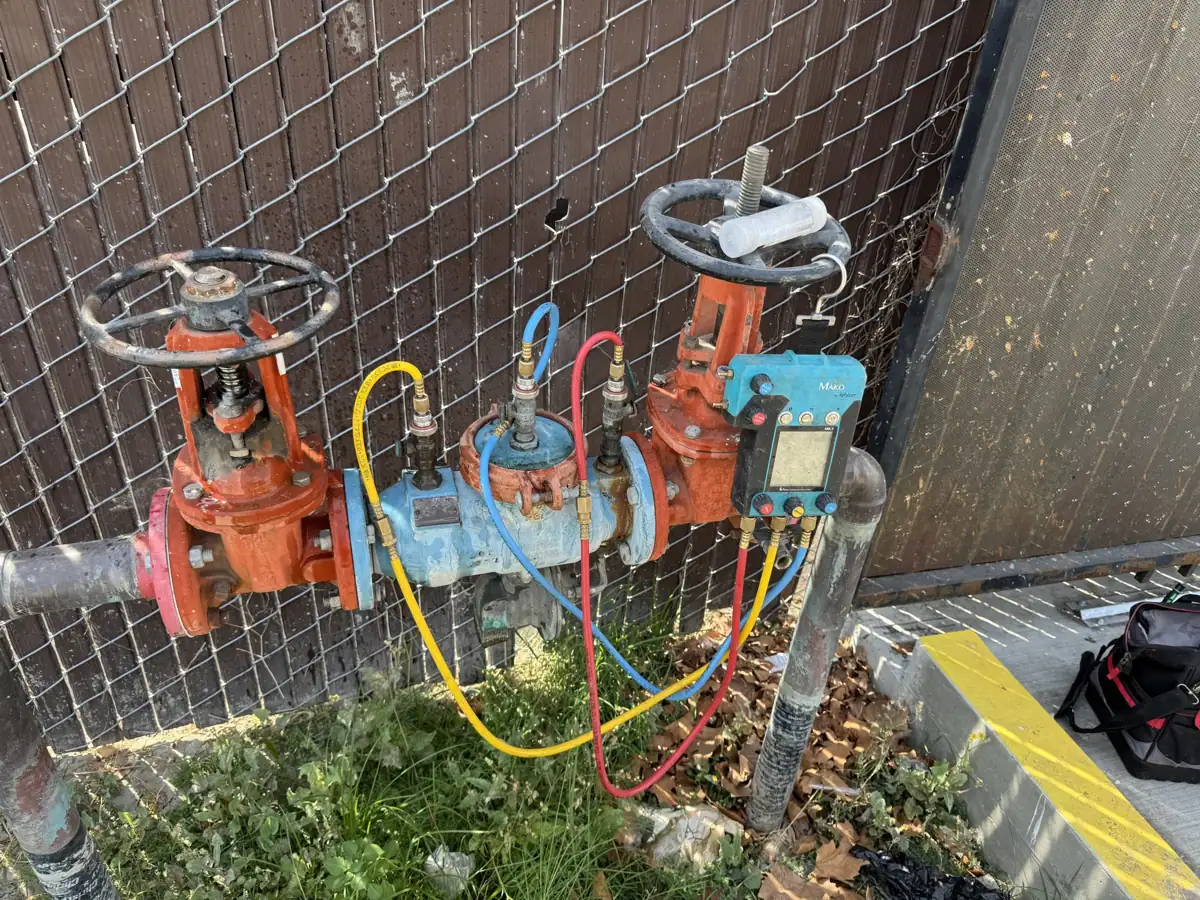
Proper placement on every assembly we install: above grade where required, high enough to work, and with room to test and repair. We add theft or freeze protection when it makes sense, then test the device and file the first report for you. Moving an existing assembly? We do that too, with a retest afterward. More about backflow assembly installation.
How it works
Site visit
We confirm type and size.Approvals
Permits if needed.Install
Usually one day.Test & file
Report sent to your district.
Picking the right device
Before anything gets installed, we figure out what your water district will accept for your connection. The hazard level decides the device type. High-hazard uses like clinics, car washes and chemical feeds usually need an RP assembly. Lower-hazard lines may use a double check. Irrigation that only faces backsiphonage can often use a PVB or SVB.
Next comes size. The device has to pass the water you use without dropping pressure too much. Most Clairemont homes need 3/4-inch or 1-inch devices, while commercial and fire services start around 2 inches.
Getting both right the first time avoids paying for a second install when the district rejects the first.
Built for easy testing and repair
A backflow device isn't a one-time install. It'll be tested every year for as long as it's in place, and repaired from time to time. We install with that in mind.
RPs go above ground with room for the relief valve to drain. Vacuum breakers sit higher than every outlet they protect. Every device gets enough clearance for test hoses, shutoff valves and check covers.
Where theft or freezing is a risk, we'll suggest a locking cage or insulated cover. The goal is a device that passes its first test and stays easy to work on for years after.
How an installation goes
First we look at the site, in person or by photo, to confirm what's needed and where it fits. Then you get a free quote covering the device, the work and the first test.
If permits or district approvals are required, we'll say so at the start and plan around them. Most homes and smaller commercial jobs take a single day.
After installation, we flush the line, test the device and send the first report to your district, which sets its annual due date. You get a copy, and we can remind you before the next test.
Installs for homes
Most residential installs are for new sprinkler systems, pools with auto-fill lines, wells or home fire sprinklers. The device is usually 3/4 inch or 1 inch, and the job takes a day or less.
We'll pick a spot that meets placement rules and is easy to reach for yearly testing, then test it and file the first report.
Commercial and new construction
Business and construction projects tend to need plans, permits, bigger devices and coordination with other trades. Fire services commonly use detector assemblies 4 inches and larger.
We fit into your project timeline and file the startup test before final inspection.
Changes of use and new equipment
New equipment, like a boiler, chemical injector, wash bay or medical device, can raise the hazard at a connection. Turning a space into a different type of business can do the same. Either way, the district may ask for a new or upgraded device.
Planning a change? Call us early. Building the right device into the plan from the start costs less than retrofitting after an inspector catches it.
If you're unsure a device is even required, text us a photo and a quick description of the project. We'll let you know whether one is likely needed, which type and about what's involved, with no obligation. There's no charge for the quote, and most residential jobs are finished in a day.
Questions
Which type do I need?
Your water district decides based on how the water is used. We confirm it before we quote.
How often do I need a backflow test?
In California, backflow prevention assemblies must be tested at least once a year. They also need a test right after installation, after any repair, and after being moved. Your water district sets the exact due date and usually mails a notice before it.
Why Clairemont calls us
Certified testers. Calibrated gauges. Reports filed with your water district as part of every job. Prices given before any work starts.
Testing is $105 flat under 4 inches and $175 for 4 inches and up. We pick up seven days a week, 6am to midnight, book most visits within the week and take emergency calls 24/7.
What happens after you call: we confirm the address and device, give you a time window, and show up in it. The tester checks the device, runs the test and tells you the result on the spot. Pass: the report is filed that day. Fail: you get the reason and the price, and most repairs are done before we leave. Either way, you get a copy of everything for your records. Have several devices or properties in Clairemont? Ask about multi-device pricing and due date tracking when you call.
Where we work
We offer backflow installation in Clairemont, University City, Pacific Beach, Kearny Mesa, Linda Vista and Serra Mesa. Same-week visits.